
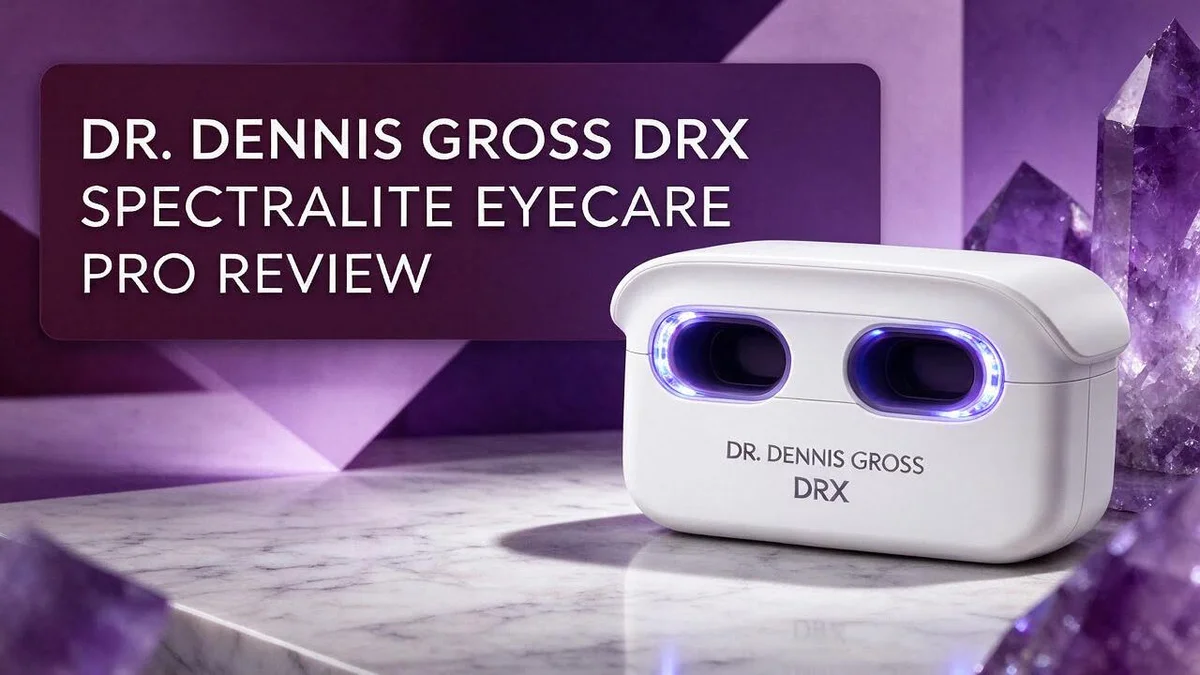
Dr. Dennis Gross DRx SpectraLite EyeCare Pro Review 2026
The Dr. Dennis Gross DRx SpectraLite EyeCare Pro is a medical grade device built for clinical outcomes. It sits right over the eye area, so it fits many face shapes.
The original Pro uses 72 red and amber LEDs. Its successor, the Max Pro, adds 96 red LEDs, plus full coverage and amber, red, and deep red light options.
Users often report smoother skin and softer dryness lines. Some also mention small pimples or puffy eyes at first. This review covers what the device does, who it suits, and what to expect.
Is it worth your time? Keep reading to find out. Let us explore the facts together.
In a Nutshell
- Max Pro brings a bigger light grid. The successor uses 96 red LEDs, which is 30% more than the original model. It also offers amber and deep red light options.
- The 360° coverage wraps around the eye. The universal fit sits over the eye area, so users can focus on this delicate zone with ease.
- Clinical roots set this device apart. It is medical grade and designed for clinical outcomes, which appeals to people who want a science based option.
- Acne control is a key focus. Reports suggest it helps prevent flare ups and evens out texture, which may suit skin that breaks out often.
- Side effects deserve a close look. Some users notice small pimples after red light use. Puffy or itchy eyes can also appear at first, so a patch test is a smart move.
- Competitors offer more light power. SkinTekie lists 320 LEDs and four wavelengths, including near infrared, which makes it a strong rival for shoppers who want maximum output.
Light Technology and Wavelengths

- WHAT IT IS: Dermatologist-developed and FDA-cleared, this LED eye device builds natural elasticity to firm skin, reduce wrinkles, crow’s feet, puffiness, and dark circles, while lifting the appearance of the brow.
- HOW IT WORKS: Four wavelengths of red light stimulate collagen production to treat wrinkles, firm skin & even tone around the eyes. This hands-free device utilizes 96 targeted LED red lights to treat the results of aging eyes in 3 minutes a day.
Last update on 2026-11-22 / Affiliate links / Images from Amazon Product Advertising API Some of the links on this website are affiliate links, which means that at no additional cost to you, I earn a commission if you click through and make a purchase. I only recommend products and services that I believe will add value to my readers. Thank you for your support!
Light sits at the center of this device. Each color works on skin in its own way. Knowing the wavelengths helps you decide if this tool fits your routine.
Wavelength simply means the length of a light wave. Shorter waves stay closer to the surface, while longer waves reach deeper layers. This idea guides most light therapy choices.
The SpectraLite line uses red and amber light. Red light sits in the visible range that many skin studies explore. Amber light falls between red and yellow on the color scale.
Amber light offers a softer feel. Many users choose it as a gentle addition for calm, comfortable sessions.
Deep red light in the Max Pro goes a little further. It reaches the dermis, the middle layer that holds collagen and elastin. This depth explains why many people seek deep red options for a firmer look.
This model sticks to visible wavelengths, so you can see the glow during each session. Some people like knowing the light is working.
Light intensity matters too. Stronger output does not always mean better results. Consistent use over several weeks often matters more than raw power.
Timing plays a role as well. Most users follow the directions in the official manual for session length. Read it before your first use.
Keep your eyes closed during each session for comfort. The light can feel bright, so closed eyes feel more relaxed.
Your skin goals should guide your choice. Compare the light colors with what you want to improve. A dermatologist can also help if your skin reacts easily.
Color balance matters for daily use. Some people prefer one color for mornings and another for evenings. Many pick a routine that fits their schedule and comfort level.
Consistency beats occasional use. Set a regular time each day or week. Track how your skin looks after several weeks.
Light therapy works best alongside good habits. Sleep, hydration, and daily sunscreen all support your results over time.
Fit and Coverage Around the Eyes
Fit matters more than most people think. A device that sits well keeps light where it belongs. Gaps can waste energy and leave some areas untreated.
Think about the bone structure around your eye. The area near the brow and cheek curves in ways that can lift the device away from the skin. Gentle pressure should feel even, not tight.
Check the lash line first. Make sure lashes do not press against the lenses or light panel. Pull back any loose hair from the brow so the edges sit flat.
The skin under the eye needs special care. It stretches easily, so a light touch helps the device rest without pulling. Smooth the skin before you place the device.
Edges deserve a quick look too. If light leaks at the sides, the glow may feel uneven. Adjust the position until the coverage looks even across the whole eye area.
Some people need to shift the device slightly. Noses and cheekbones vary from person to person. A small move up, down, or to the side can improve contact without changing your session plan.
Fit also affects comfort. A device that rests well should not feel heavy or warm against the skin. If pressure builds, pause and reset the position.
Use a mirror to check the placement. Look at the eye area from a few angles. This quick look helps you spot gaps before the session begins.
Coverage also depends on daily habits. Put the device on after washing and drying your face. Makeup, cream, or oil can change how the device grips and how light reaches the skin.
A steady routine builds confidence. Practice placement a few times before your first full session. Take your time with the early tries. Small adjustments often make the biggest difference for comfort and coverage.
Results and Treatment Routine
Most people want to know when they will see change. Results build slowly over several weeks. Give your routine time to work.
Many users start by tracking their progress. Take a photo of your eye area in the same lighting each week. Photos reveal small shifts that daily mirror checks often miss. Keep the same phone position for accurate comparisons.
Start with a clean face every time. Gently remove makeup and oil before you begin. Clean skin helps the light reach your skin more evenly.
Apply a light, unscented eye cream after each session. Hydrated skin tends to look smoother and softer. Skip heavy creams right before the device so nothing blocks the light.
Morning and evening use can fit neatly into most routines. Apply sunscreen after your morning session every day. Sun exposure can undo some of your gains around the eyes.
Sleep supports skin repair at night. Many people notice their eyes look more rested after a good night of sleep. Good sleep also helps your skin hold moisture overnight. Try to pair your evening session with an earlier bedtime.
Expect a few strong days and a few flat days. This is normal and part of the process. Do not judge the device after just one week. Jot down notes in your phone to track mood, sleep, and skin changes.
Pause use if irritation lasts more than a day or two. Watch for redness, swelling, or stinging that does not fade. A dermatologist can check your skin and suggest next steps.
Many people use the device for a set number of weeks, then take a short break. Breaks give skin time to settle and recover. Plan the break on your calendar so you stay consistent. You can restart the routine when you feel ready.
A simple routine works best over time. Clean, moisturize, protect, and rest. Stick with these four habits for the best chance at lasting results.
Top 3 Alternatives
Dr. Dennis Gross SpectraLite FaceWare

- WHAT IT IS: A hands-free LED face mask that uses a combination of 100 red LEDs and 62 blue LEDs to help enhance the appearance of smooth, radiant-looking skin.
- BENEFITS: Helps improve the look of skin for a visibly refreshed and luminous appearance. Eligible for FSA and HSA benefits.
Last update on 2026-06-17 / Affiliate links / Images from Amazon Product Advertising API Some of the links on this website are affiliate links, which means that at no additional cost to you, I earn a commission if you click through and make a purchase. I only recommend products and services that I believe will add value to my readers. Thank you for your support!
This device uses LED light for a fresh, even complexion. You can treat your whole face in one session.
Good for: Everyday skin care and a healthy glow.
The handheld design feels light in your hand. You hold it still over clean skin for a few minutes. Regular use helps your skin look smoother over time.
LightStim For Wrinkles

- Therapeutic Light Energy: LightStim delivers light energy in a similar way plants absorb light energy from the sun. Each LightStim device uses different wavelengths, or colors of light. LightStim for Wrinkles provides rejuvenating wavelengths of light energy to treat fine lines and wrinkles.
- Clinically Proven Results: In FDA clinical studies, 100% of participants were shown to have significant improvement in their fine lines and wrinkles in just 8 weeks. 92% of participants had an even further reduction in their wrinkles three months after our clinical trial.
Last update on 2026-11-22 / Affiliate links / Images from Amazon Product Advertising API Some of the links on this website are affiliate links, which means that at no additional cost to you, I earn a commission if you click through and make a purchase. I only recommend products and services that I believe will add value to my readers. Thank you for your support!
This LED mask focuses on fine lines and wrinkles. Its red and near infrared light reaches deep into the skin.
Good for: Targeting lines around the eyes and mouth.
You can wear it while you relax. Consistency matters most, so set a simple weekly schedule. Many users notice softer skin after a few weeks.
Solawave Red Light Wand

- FOUR TECHNOLOGIES, ONE SESSION: Red Light, Galvanic Current, Therapeutic Warmth & Facial Massage smooth, depuff & rejuvenate skin.
- FDA-CLEARED, VISIBLY FIRMER SKIN: Red light (630nm) helps reduce the look of fine lines & wrinkles over time.
Last update on 2026-11-22 / Affiliate links / Images from Amazon Product Advertising API Some of the links on this website are affiliate links, which means that at no additional cost to you, I earn a commission if you click through and make a purchase. I only recommend products and services that I believe will add value to my readers. Thank you for your support!
This wand pairs red light with a warming massage tool. The combination helps skin feel refreshed and firm.
Good for: Adding a spa feel to your nightly routine.
Glide the wand slowly over your face and neck. Use it with your favorite serum for extra comfort. Start with short sessions and build up as your skin adjusts.
Skin Types and Suitability
Skin type matters a lot for this device. Everyone’s eye area is different. Some people have thin, dry skin. Others have oily skin that breaks out easily. Think about how your skin reacts to sun, wind, and makeup. Knowing your type helps you set realistic expectations.
People with dry or mature skin often look for smoother texture and softer dryness lines. One user reported eye skin that looked more rested after regular use. Many people notice changes slowly over several weeks. Still, results vary from person to person.
Acne prone skin needs extra thought. The device is reported to help prevent acne flare ups. Yet some users noticed small pimples after red light sessions. If you break out easily, start slowly and watch your skin closely.
Sensitive skin deserves a gentle start. Some people feel puffy or itchy eyes during their first sessions. These feelings often fade as the skin adjusts. If discomfort lasts, pause use and speak with a dermatologist.
Fair skin may show redness more quickly, so look for flushing after each session. Mild redness that fades soon after is common. Strong or lasting redness is a sign to stop and rest your skin.
Darker and lighter skin tones both need attention. The skin around the eyes can react in different ways. Note how your skin looks each day. Changes in tone or texture are worth tracking.
If you use retinoids, exfoliating acids, or other strong actives, ask your doctor before you start. Combining these products with light sessions may increase irritation for some people. Your doctor can give advice based on your history.
People with rosacea, eczema, or other skin conditions near the eyes should get medical advice first. A doctor can confirm whether this device fits your needs.
Your skin type shapes your routine. Choose a schedule that feels comfortable for your skin today. Keep notes in a simple journal so you can spot patterns. Adjust as your skin changes over time.
Pros and Cons
Pros
- Built with clinical grade light technology for a serious at home routine.
- The Max Pro covers the eye area with a 360° design.
- Setup is easier because manuals are available for the Max Pro.
- Many users say their eyes look more rested over time.
- Each session takes only a few minutes, so it fits a busy day.
Cons
- Some users notice small pimples after red light sessions.
- Eyes may feel puffy or itchy during the first few uses.
- Rival devices like SkinTekie offer far more LEDs and extra wavelengths.
Who Should Buy It
The DRx SpectraLite EyeCare Pro suits people who want focused light therapy for the delicate eye zone. It works well for shoppers who value a clinical style device over flashy extras.
People who already use red light devices often adjust fastest. They know how to position a tool and what a session feels like. Adding this device to an existing setup feels natural. They also understand why consistency matters.
Shoppers who want a simple tool with one clear job may also like it. It does that job well, so there is little to juggle.
Readers hoping to support fine lines near the eyes may find this helpful. Pair it with daily sunscreen and a gentle moisturizer for better overall care.
Anyone seeking a full face treatment should look elsewhere. A larger panel may cover more ground in less time. Those readers may prefer a broader system that treats the cheeks, forehead, and jawline together. Compare the feature list before you decide.
Some buyers want a gentle way to care for the eyes without a fuss. This option lets them focus on one area without a long learning curve. It can be a good first step into home light therapy.
People who want a device with a clinical background will feel at home. Their interest in science makes the product easy to understand. They can read the research and judge the results for themselves.
On the other hand, anyone expecting instant tightening will likely feel let down. Light therapy works gradually, and patience matters more than speed. Readers who want fast, dramatic changes should choose a different approach. Set goals you can measure, and keep expectations realistic.
Finally, think about your daily habits and your skin goals. Ask whether you enjoy a consistent routine and whether you can commit for several weeks. If those answers feel like a yes, this device may be a strong match for you.
Final Verdict
After weighing everything, our verdict is clear. The DRx SpectraLite EyeCare Pro suits people who want focused light care for the delicate eye zone. It works best as one step in a steady routine.
Think of it as a specialist rather than a full face machine. It can support your eye care goals with steady use.
Buyers who value science will appreciate the research driven approach. Still, a clinical background alone does not guarantee results.
Comfort plays a big role in daily use. A device that sits well makes sessions easier to keep. Comfort often decides whether people stick with a routine.
The main drawback involves possible skin reactions. Track any changes closely during the first few weeks. Keep a simple log of sessions and how your skin responds.
Patience matters more than speed. Results build slowly over many sessions. Consistency beats intensity every time.
Set a weekly schedule before you start. Pick the same time each day. A calendar reminder helps you stay on track.
Take before and after photos in the same lighting. Pictures reveal changes that memory often misses. This habit keeps your expectations grounded and honest.
Ask yourself what you want from eye care. Write down two clear goals. Then measure progress each month with your photos. Small steps add up over time.
Daily sunscreen protects your progress. Gentle hydration helps your skin stay calm during treatment. Good habits make every session count.
Pair the device with your regular skincare steps. Always check the manual for guidance on timing.
Some shoppers prefer to compare several options first. That step is smart and easy to do.
The device rewards calm and consistent users. It offers a simple entry point into light therapy for eyes. That makes it a thoughtful choice for many readers.
Bottom line: it is a focused tool with clear strengths and honest limits. Choose it with realistic goals, and it can earn a spot in your routine.
Frequently Asked Questions
How is the Max Pro different from the original Pro?
The Max Pro uses 96 red LEDs, which is 30% more than the original Pro. It also adds amber and deep red light to the mix. Choose the model that matches your skin goals.
Can I use it with retinol or other active ingredients?
Many people pair red light with their regular routine. Still, ask a dermatologist first if you use strong actives near the eyes. Gentle serums are often the easiest to combine.
How should I clean the device?
Wipe the light surface with a soft, dry cloth after each session. Keep the device away from water and harsh cleaners. The manual shows the exact steps, so check it before you start.
Should I talk to a doctor before I start?
Yes, it is wise to check with a doctor first. This matters most if you have an eye condition, recent eye surgery, or light sensitive skin. Also ask your doctor about any medicine that may increase light sensitivity.

Meet Liora Sage, the trusted voice behind Verity Vault, where honest product reviews meet practical consumer guidance. With a passion for helping shoppers make informed decisions, Liora dives deep into Amazon’s vast marketplace to uncover the truth about products across multiple categories.