Therabody TheraFace Mask Review 2026: Top Tier or Trash?
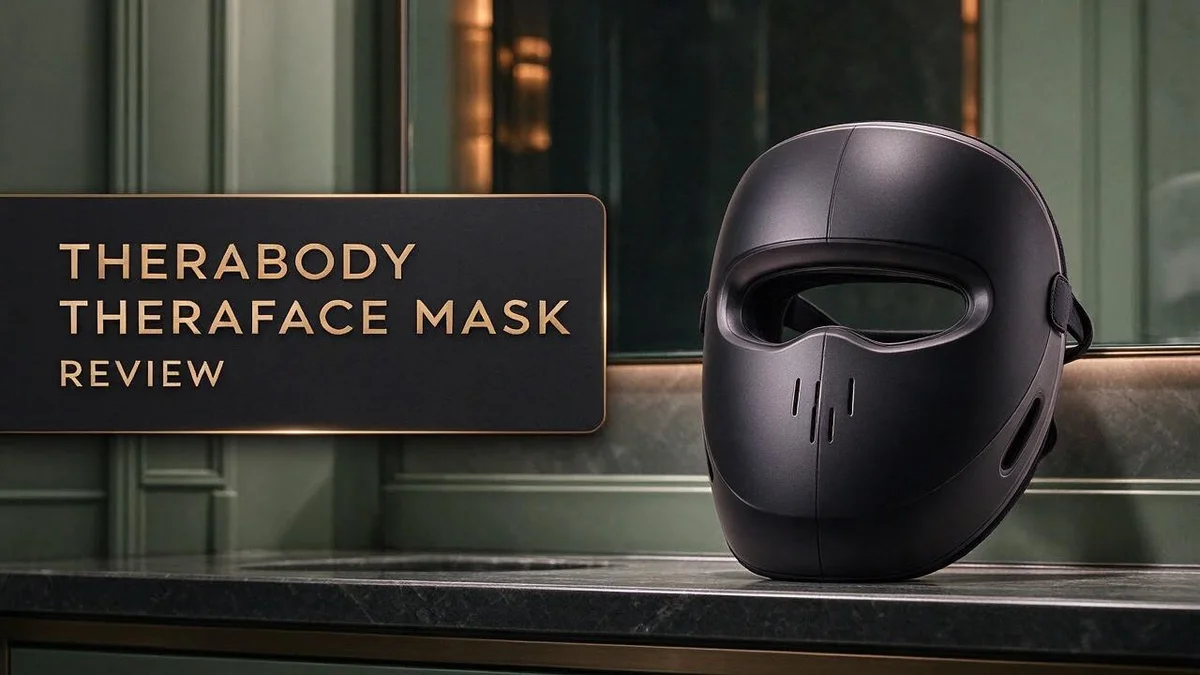
Are you looking for a simple way to care for your skin at home? Many people now try LED face masks to see if they help. The Therabody TheraFace Mask, also called TheraFace Mask Glo, is one option to consider.
This cordless mask uses red, blue, and infrared light. It also offers a relaxing scalp massage. Sources claim it may reduce the look of fine lines, wrinkles, dark spots, and dark circles. They also say it supports collagen production and fights bacteria that cause acne.
These claims come from sources and have not been independently verified. Still, you may wonder if this mask fits your routine. In this review, we explain what it offers, what to know, and how it compares to other light therapy tools.
In a Nutshell
-
A scalp massage adds extra value. The mask also includes a relaxing scalp massage. This means you can care for your face and scalp in one session.
-
Light wavelengths are clearly listed. The mask uses red, blue, and infrared light. Sources say each wavelength supports a different skin goal.
-
Claimed benefits cover many concerns. Sources say the mask may reduce the look of fine lines, wrinkles, dark spots, and dark circles. It may also support collagen production.
-
Acne support is part of the story. Some sources say the light may help fight acne-causing bacteria. Results can vary from person to person.
-
Key details are still missing. The research does not list battery life, session length, or dimensions. Check the product details to find these facts.
-
Other LED options exist. Red light masks and handheld LED tools offer different shapes and routines. Think about which style fits your daily habits.
Light Technology and Wavelengths

- CLINICALLY-PROVEN LED LIGHT THERAPY: 3 types of science-backed LED light therapy address specific skin concerns for clinically proven results: Red Light therapy helps reduce fine lines, wrinkles and dark spots; Red + Infrared Light stimulates collagen production and firms skin; Blue Light fights acne and acne-causing bacteria.
- FULL-COVERAGE FACE MASK: 504 medical-grade LEDs, enhanced by Therabody's proprietary PrecisionLED technology, deliver optimal, clinically proven light doses for consistent, full-face treatment of every skin type — including sensitive skin [3].
Last update on 2026-11-22 / Affiliate links / Images from Amazon Product Advertising API Some of the links on this website are affiliate links, which means that at no additional cost to you, I earn a commission if you click through and make a purchase. I only recommend products and services that I believe will add value to my readers. Thank you for your support!
Wavelength is a key part of how this light technology works. Wavelength is the distance between light waves, and scientists measure it in nanometers. Each color in this mask sits at a different point on that scale.
Red light usually falls between about 620 and 700 nanometers. You can see it, so the glow is easy to notice during a session.
Blue light sits on the shorter end, near 400 to 500 nanometers. It stays closer to the surface of the skin, so it works differently from red light.
Infrared light sits beyond the red end of the spectrum, often above 700 nanometers. Your eyes cannot see it. Its longer wavelength is often described as reaching deeper layers of the skin.
Why does this matter to you? Each wavelength interacts with skin in its own way. Using all three colors gives the mask a broader approach than a single light color would.
Wavelength alone does not decide results. Light intensity, session length, and how often you use the device also play a role. The research does not list these details, so the sources alone cannot tell you how strong the light is.
Your next step is to check the official product page. Look for the exact nanometer values and output levels. Then compare those numbers with independent studies on LED light. This helps you judge whether the mask fits your goals.
Safety matters too. Keep your eyes closed during each session. If your skin feels irritated or sensitive, stop using the device and talk with a dermatologist before you try again.
Claimed Skin Benefits
Brands often list many skin benefits on one product page. The TheraFace Mask follows this pattern. Its claims focus on how your skin looks, not on medical results.
Reduced look of fine lines and wrinkles is the first claim many shoppers notice. Think of it as a change in appearance. Smoother lines may show up over time, but results vary.
Dark circles and dark spots come next. These concerns often relate to tiredness, genetics, or sun exposure. A light mask may not fix the root cause. It may only help the surface look brighter.
Collagen support is another claim. Collagen gives skin its firm structure. Sources say light may support collagen production. Your body makes collagen naturally, so steady habits matter as well.
Acne is a different story. The claim says light may help fight bacteria that cause acne. If you have breakouts, talk with a dermatologist first. A mask should never replace proper medical care.
Many people ask how long they should wait before seeing change.
Most routines need several weeks of regular use. Take photos each week in the same lighting. This helps you spot small shifts that are easy to miss.
Patch testing matters too. Try the mask on a small area first. Watch for redness, itching, or irritation. Stop use if your skin reacts badly.
People with sensitive skin should be extra careful. Those who take medications that increase sensitivity to light should ask a doctor first. Your safety comes before any beauty goal.
Keep your expectations realistic. Claims are not the same as proof. Look for independent studies, clinical testing, and honest user feedback. Compare what you read with your own skin goals.
Sun protection still counts. Light therapy does not replace sunscreen. Daily SPF helps protect fine lines and dark spots from further damage. Pair both habits for the best approach.
Scalp Massage Feature
Most face masks stop at the jawline. The Therabody TheraFace Mask (Glo) goes a step further. It includes a relaxing scalp massage, so your head gets some care too.
A scalp massage adds a calm moment to your routine. You put the mask on, and the massage starts. Many people enjoy a gentle head massage after a long day. It can turn a quick skin session into a short break.
Scalp care often gets overlooked. Your scalp covers a large part of your head, yet it rarely receives attention. This feature helps you include that area in your daily habits.
The research calls the massage relaxing. It does not describe the speed, strength, or timing of the massage. So you should test how it feels on your own scalp first.
Who may enjoy it most? People who like unwinding at home may enjoy this extra step. Anyone with tight shoulders or a stressful schedule may also appreciate the calm feel.
Many people choose evening sessions. A calm end to the day can help you wind down. Pair the mask with soft music or quiet time for a fuller break.
Begin with a gentle first try. Notice how your scalp responds. Stop right away if you feel pain or discomfort. Your comfort always comes first.
Some users may want a scalp massage on other days too. Use your own judgment here. Pay attention to how your skin and scalp feel over several days.
Notice any redness or irritation and take a break if needed. Rest days can also help your skin recover. Simple habits often work best over time. Keep notes if that helps you track changes.
Keep your expectations simple. The scalp massage works as a relaxing bonus. It does not replace your regular hair care. Enjoy it as a small treat for your head and face.
Top 3 Alternatives
If you want other options, these three picks offer simple ways to care for your skin at home. Each one takes a different approach. Read on to find the best fit for your routine.
Foreo UFO 2

- 5 X FASTER WARMING + HYPER-INFUSION An anti aging light face mask device marries 5 x faster warming with massage to boost absorption of skincare actives deeper for max results.
- FULL SPECTRUM LIGHT Light with 8 colors to visibly refine the complexion & satisfy all skin needs for effortless pro-level face mask skin care results at home, every time.
Last update on 2026-11-22 / Affiliate links / Images from Amazon Product Advertising API Some of the links on this website are affiliate links, which means that at no additional cost to you, I earn a commission if you click through and make a purchase. I only recommend products and services that I believe will add value to my readers. Thank you for your support!
The Foreo UFO 2 is a fast option for busy people. It uses heat and red light to help your skin feel fresh and calm. Many users enjoy how quickly it fits into their day.
Pick this device if you want short, easy sessions. You place it on your face and let the warmth do the work. The soft silicone feels gentle, so it suits many skin types.
CurrentBody LED Mask

- Enhanced collagen production capability significantly reduces fine lines, wrinkles and redness, for younger-looking skin.
- Upgraded light coverage provides our famous instant glow, for a healthier, brighter and smoother complexion.
Last update on 2026-06-17 / Affiliate links / Images from Amazon Product Advertising API Some of the links on this website are affiliate links, which means that at no additional cost to you, I earn a commission if you click through and make a purchase. I only recommend products and services that I believe will add value to my readers. Thank you for your support!
The CurrentBody LED Mask covers your full face in one go. It uses red and infrared light to support a healthy glow over time. You can wear it while you relax on the couch.
This mask suits people who prefer care without holding a device. The light panels sit close to your skin, so you can read or rest. Many people notice gradual changes with regular use.
NuFace Mini

- Sculpt Anywhere, Results Everywhere: MINI+ delivers full-strength FDA-cleared microcurrent in a petite face sculpting tool. Activates 69 facial muscles for instant lift and visible definition that builds with every 5-minute session.
- Face Massager & Lymphatic Support: Contours cheeks, lifts brows, and firms the jawline with gentle microcurrent waves. Mimics a lifting facial massage to help support lymphatic drainage. 91% saw instant improvement in cheek contour.*
Last update on 2026-10-13 / Affiliate links / Images from Amazon Product Advertising API Some of the links on this website are affiliate links, which means that at no additional cost to you, I earn a commission if you click through and make a purchase. I only recommend products and services that I believe will add value to my readers. Thank you for your support!
The NuFace Mini is a small device made for travel. It uses gentle microcurrent to help tone the muscles in your face. You can slip it into a purse or suitcase.
Choose this tool if you want targeted care. You can focus on the forehead, cheeks, or jaw. Short daily sessions fit easily into a morning routine.
Skin Types and Suitability
Your skin type matters more than you might think. Every face reacts a little differently to light sessions. This mask may suit many people, but it will not fit everyone.
Dry skin often feels tight or flaky. Apply a gentle moisturizer after your session to keep skin comfortable.
Oily skin can look shiny during the day. Start with a clean, dry face so the mask sits flat.
Combination skin mixes oily and dry zones. You may want to adjust your routine for each area. Focus on the spots that bother you most.
Mature skin often shows fine lines and loose texture. Readers with mature skin often focus on the fine line claims.
Skin prone to breakouts needs a different approach. The research links acne results to a separate question, so talk with a dermatologist first.
Normal skin often tolerates new routines well, though every face is different.
Skin with a medical condition deserves a doctor’s advice. Ask a doctor before use if you have a diagnosed skin condition or take medicine that makes skin more sensitive to light.
Pause before you start if you feel unsure. Simple checks help you decide. Look at your skin type, your goals, and your doctor’s advice together.
Photos can tell a clear story. Take a photo of your face each week in the same light. Compare them later to see small shifts you might miss.
Write down how your skin feels. Note dryness, tightness, or breakouts after each session. A short log makes it easier to talk with your doctor.
Your skin is unique, so listen to it closely. Small changes can teach you a lot about what works. Choose the routine that feels comfortable and safe for you. Stay patient and kind to your skin. Your choices matter most.
Realistic Expectations and Evidence
Start with what we actually know. Most of the information about this mask comes from product sources and general descriptions. Independent confirmation is not part of the record yet.
Light color is not a guarantee. Red, blue, and infrared light sound scientific. Still, a color on a label does not prove a result on your face.
Research on red light masks in general varies in depth. Some sources cover these masks as a group. They do not always separate one brand from another.
The research lists no confirmed pros and no listed cons. That silence does not mean the device is risk free. It means the sources did not report them.
Read marketing with a calm eye. Words like improves or supports describe a goal. They do not promise a fixed outcome for every person.
Plan for small changes. Many users notice subtle shifts, if any. A mirror check or photo can help you judge honestly over time.
Take photos in the same light and at the same time of day. Lighting changes can make skin look better or worse on a given day.
Write notes in a simple log. Record the date, how long you used the mask, and how your skin felt. Patterns show up faster on paper.
Expect a learning curve with any new device. Your first sessions teach you how the light feels. Give yourself a few days to settle in.
Keep outside factors in view. Sleep, diet, and hydration all shape how skin looks. A mask cannot control those things.
Consider the handheld LED option too. The research mentions these alternatives. Comparing them helps you know what you want from a device.
Ask what you need most. Some people want a gentle light routine. Others want a device they can use daily without fuss.
Set a clear finish line. Decide what success looks like before you begin. A clear goal keeps your judgment fair.
Remember that a mask is one step. It works best alongside habits you already keep, not in place of them.
Pros and Cons
Pros
- The mask uses red, blue, and infrared light in one device.
- It is cordless, so you can use it without a plug nearby.
- Sources say it may reduce the look of dark circles.
- Sources say it may support collagen production in the skin.
- Sources say it may help fight acne-causing bacteria.
Cons
- The research lists no confirmed cons, so this list may be incomplete.
- Battery life, session length, and size are not stated in the research.
- Most benefit claims are not independently verified yet.
- No direct rival products are named for a side by side comparison.
Who Should Buy It
The TheraFace Mask suits people who enjoy a steady skin care habit. It asks for regular use, not a quick fix.
Think about your daily schedule first. A device on your face needs a clear place in your evening or morning plans.
Shoppers who want a hands free option may appreciate it. You stay still during use instead of holding a tool.
People who love self care rituals may find it enjoyable. The scalp massage adds a relaxing touch to each session.
Anyone curious about red light therapy may find this a useful starting point. Sources link each color to different concerns, which gives curious users a range to explore.
People who prefer home options over clinic visits may find it appealing. Home use removes travel time and fits busy weeks.
Busy professionals may like how easily it slides into a routine. Consistency matters more than intensity, so a simple habit can work well.
Beginners with light devices should move slowly. Read every instruction and notice how your skin responds over time.
Anyone with sensitive skin should test before full use. Try a small area first and wait a day to see how it feels.
Shoppers who want clear proof before buying may feel uneasy. The research offers few independent results, so patience and healthy skepticism both help.
Those who expect fast, dramatic change should look elsewhere. This device fits people who value gentle, gradual habits instead.
Gift buyers may consider it for a friend who loves skin care. It feels like a spa style treat that they can use at home.
People who enjoy trying new tech gadgets often feel excited by features like this. Still, excitement alone should not drive the decision.
People who dislike extra steps may lose interest quickly. Any device adds a few minutes to the day, so honesty about your habits helps.
Readers with a clear skin goal should match the device to that goal. A focus on dark circles or fine lines gives the buying choice more direction.
Final Verdict
Here is the bottom line. The TheraFace Mask may suit someone who wants a hands free light routine at home. It is not a miracle device, and it should not replace medical care.
Start with your skin type. People with sensitive skin should run a patch test on a small area first. Watch for redness or itching over the next day.
Light sensitivity matters too. Some medications and skin conditions make skin react more to light. If that applies to you, speak with a doctor or dermatologist before you start.
Eye safety deserves attention as well. Keep your eyes closed during every session. Check the fit before you press start so the light stays where you want it.
Active skin care products need a closer look. Strong ingredients like retinoids or acids may irritate skin when paired with light sessions. Many people space them out on different days.
Clean skin works better. Wash and fully dry your face before each session. Makeup and heavy oils may block light from reaching the skin evenly.
If you notice burning, stinging, or lasting redness, stop using the mask. Give your skin a few days to settle. Then ask a professional for advice before you try again.
Set realistic expectations for the first few weeks. Use the mask as directed and give it time. Changes, if they come, usually build slowly over many sessions.
Our final thought: The TheraFace Mask fits best for people who enjoy a calm ritual and accept varied results. If you want quick and certain outcomes, look elsewhere. If the routine appeals to you, it is worth a careful look.
Frequently Asked Questions
Should I check with a doctor first?
Yes, that is a smart step. A doctor or dermatologist can tell you whether light therapy suits your skin. This matters most if you have a skin condition or take medicines.
Can the TheraFace Mask replace other acne treatments?
No, the research does not support that idea. Sources say it may help fight acne-causing bacteria, but most claims are not independently verified. Treat it as an extra step, not a full treatment plan.
How should I care for the mask itself?
The research does not include cleaning steps. Check the user manual for care instructions. Store the device somewhere dry and away from water.
Where can I find independent proof?
Look for studies that come from outside the brand. Search for clinical research on red light therapy masks. Compare what you find with the sourced claims before you decide.
How does the scalp massage fit into a session?
The research mentions a relaxing scalp massage, but it does not explain the settings. You will not find details on strength or timing. Read the product guide to learn how the massage works and whether you can turn it off.

Meet Liora Sage, the trusted voice behind Verity Vault, where honest product reviews meet practical consumer guidance. With a passion for helping shoppers make informed decisions, Liora dives deep into Amazon’s vast marketplace to uncover the truth about products across multiple categories.